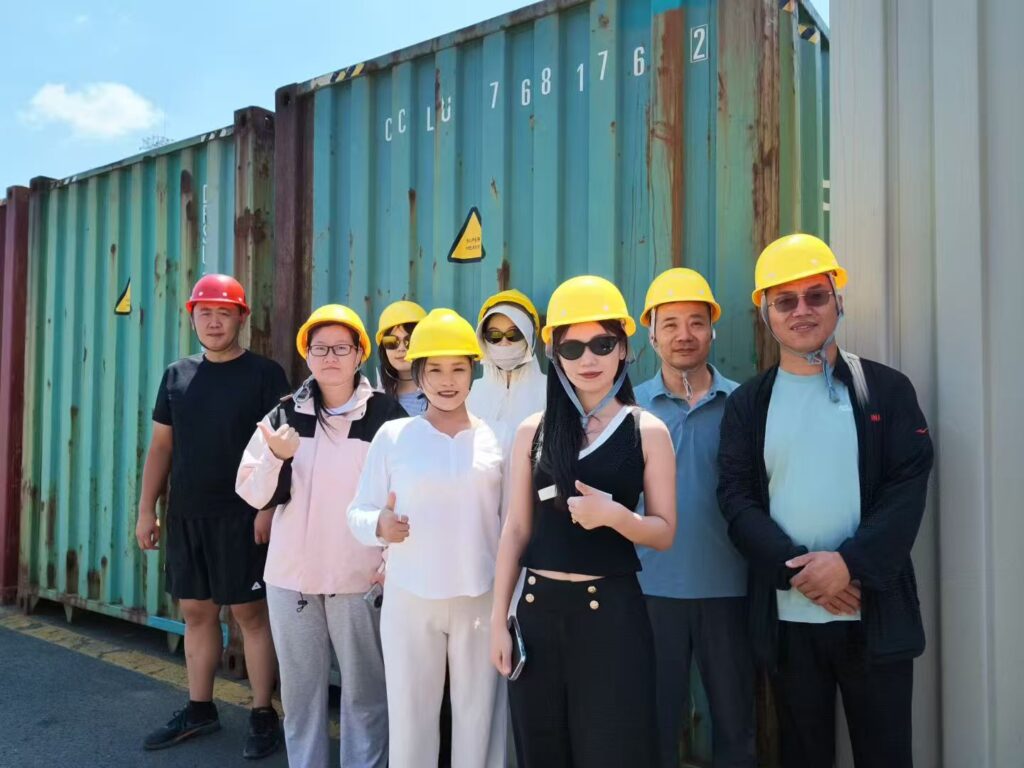

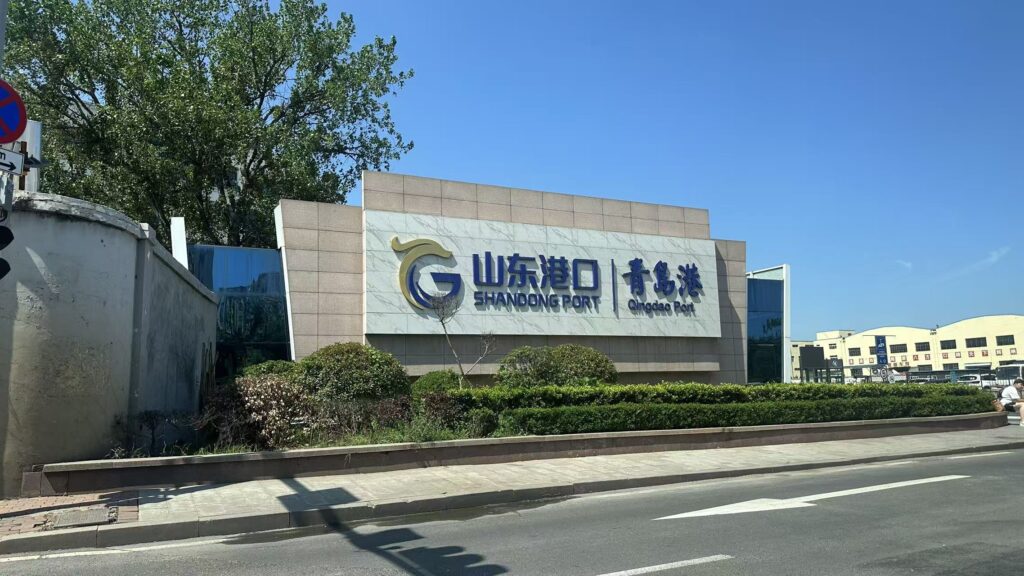
To further figure out the supporting logistics system for complete vehicle exports and optimize the shipping schedule planning for overseas orders, our business team paid an on-site visit and study tour to Qingdao Port last weekend. The team delved into the bulk cargo operation terminal, observed the full-chain operation scenarios including ship unloading, on-site transit and inland transportation at the port, and conducted special research and exchanges centering on the export business of heavy-duty trucks and semi-trailers.
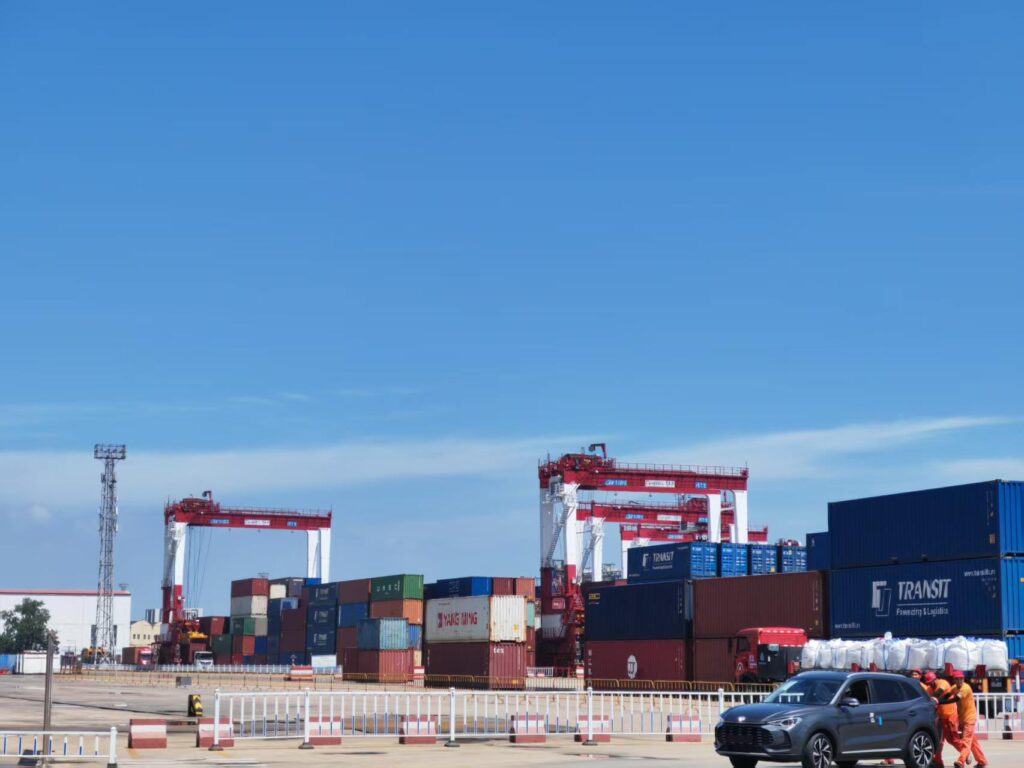
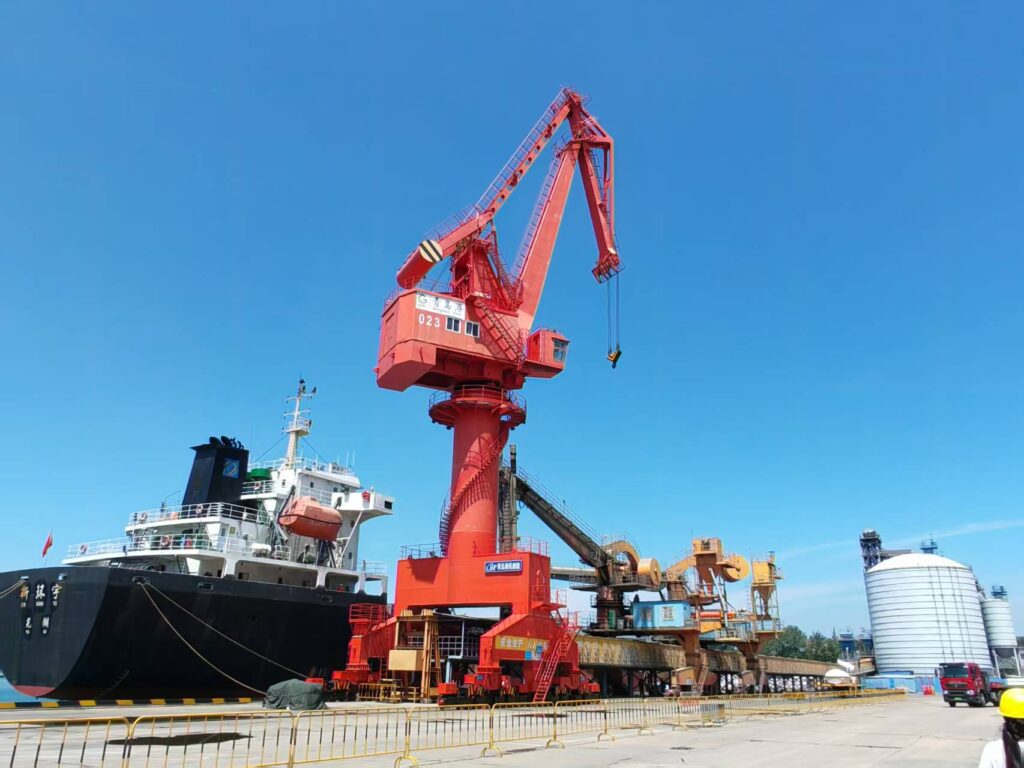
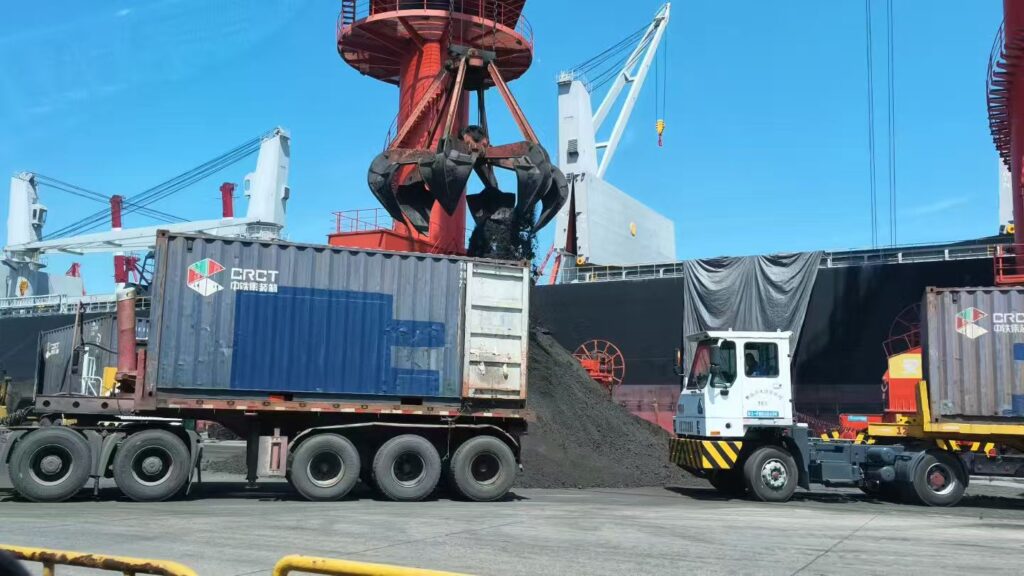
At the bulk cargo terminal, the team first observed the unloading operation of bulk raw materials. Large portal cranes at the port equipped with multi-jaw orange-peel grabs directly scoop bulk materials such as coal and ore from the holds of docked ocean-going cargo vessels and unload them to designated stockyards within the port area. China Railway container boxes are shuttled by special port tractors for short-distance transfer, enabling rapid containerization of bulk goods landed ashore and connecting subsequent water and land distribution channels. The entire loading and unloading process boasts a high degree of mechanization with compact and efficient operation scheduling.
During the concurrent research, the team inspected the inland transportation links of the port on location. New energy heavy-duty tractor heads manufactured in Qingdao coupled with flatbed semi-trailers load bulk goods packed in ton bags at the terminal before transporting them via trunk highways, realizing seamless connection covering “vessel arrival at port – terminal loading and unloading – inland distribution”. It was clearly visible on site that the port has designated exclusive operation zones for different cargo types including bulk cargo, containers and roll-on/roll-off vehicles. Various lifting equipment, on-site transit vehicles and trunk freight vehicles have clear division of labor, which not only guarantees the throughput efficiency of bulk commodities, but also reserves professional supporting roll-on/roll-off operation resources for the export of complete vehicles such as heavy-duty trucks and dump semi-trailers.
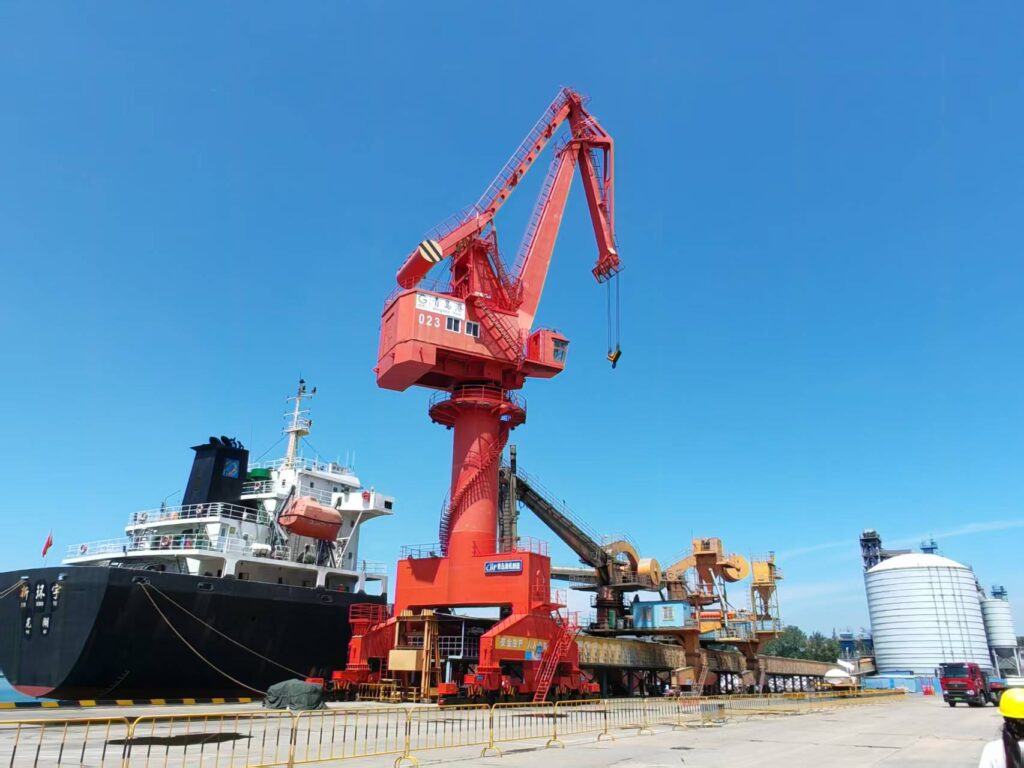
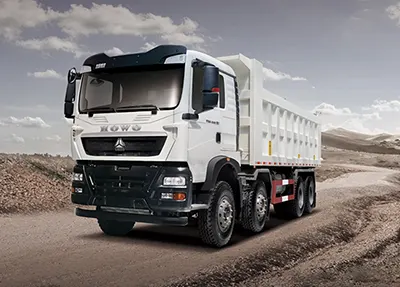
Throughout the research, the team focused on comparing the differences between the bulk cargo loading/unloading model and the roll-on/roll-off export model for complete vehicles. Bulk cargo is circulated through grab lifting and container transit, while the tractors and three-axle dump semi-trailers as our core business adopt the loading method where vehicles drive onto roll-on/roll-off ships by themselves, which imposes more refined requirements on port berth scheduling, cargo space reservation and ship loading sequence. Port staff gave detailed explanations on issues including peak-season cargo space locking, expedited ship loading coordination, cargo arrival tracking and cross-border customs clearance support, combined with key export routes to Africa and Central Asia, and answered numerous questions raised by the team regarding shipping timeliness, logistics costs and port detention risk control.
This on-site visit to the frontline operation premises of Qingdao Port allowed the team to step out of a simple foreign trade sales perspective and sort out the full-chain logic of overseas orders starting from the source of port logistics, covering factory production, land transportation to port, terminal loading and delivery at destination ports. Going forward, our company will translate the research findings into practical business operations. Relying on the mature scheduling system of the port, we will pre-plan production schedules for overseas distributors, secure priority roll-on/roll-off cargo space, optimize logistics connection details, stabilize the delivery efficiency of complete vehicles to markets including Nigeria, Togo and Uzbekistan, and consolidate our competitiveness in overseas markets through more comprehensive supply chain services.