
(أ) مواصلة تعميق استراتيجيات كهربة المناطق
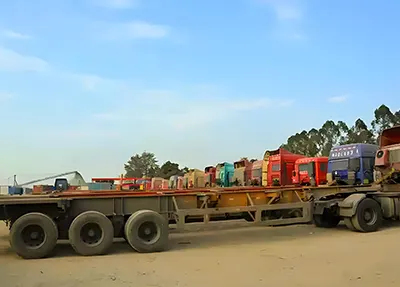
خلال الأشهر الستة الماضية، تسارعت وتيرة تحويل المقطورات إلى مركبات كهربائية، مدعومةً بالحوافز السياساتية المستمرة. تتوفر إعانات تصل إلى ما بين 100,000 و140,000 يوان صيني لكل مركبة لاستبدال الشاحنات القديمة بشاحنات ثقيلة تعمل بالطاقة الجديدة، مما أدى إلى ارتفاع سريع في انتشار المقطورات التي تعمل بالطاقة الجديدة في السوق. وقد توسعت استخدامات هذه المركبات لتتجاوز البيئات المغلقة — مثل الموانئ ومواقع التعدين — لتشمل النقل على الخطوط الرئيسية لمسافات متوسطة إلى قصيرة (300–500 كم). ويجري تطوير مسارات تكنولوجية متعددة — بما في ذلك المركبات الكهربائية التي تعمل بالبطاريات، والمركبات الهجينة القابلة للشحن، والمركبات التي تعمل بخلايا وقود الهيدروجين — بشكل متوازٍ، حيث أصبحت التكاليف الإجمالية لدورة الحياة الآن متفوقة بشكل واضح على تلك الخاصة بالمقطورات النصفية التقليدية التي تعمل بالديزل. وفي الوقت نفسه، تستمر تكنولوجيا البطاريات في التطور؛ حيث أصبحت الطرز ذات السعات القياسية التي تتراوح بين 400 و600 كيلوواط ساعة قادرة الآن على تلبية احتياجات النقل السائدة. علاوة على ذلك، يجري توحيد معايير الشحن عالي الطاقة واستبدال البطاريات تدريجيًا، كما تتوسع شبكات إعادة تزويد الطاقة، مما يعالج بشكل فعال المشكلات الرئيسية المتعلقة بإعادة شحن المركبات وتزويدها بالوقود.
(II) تسويق التقنيات الذكية
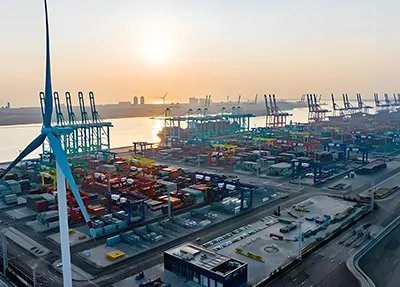
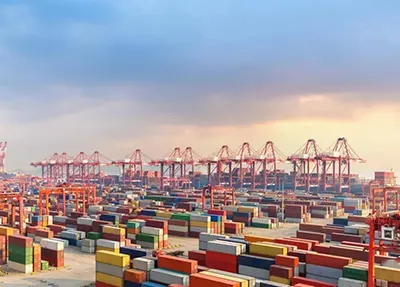
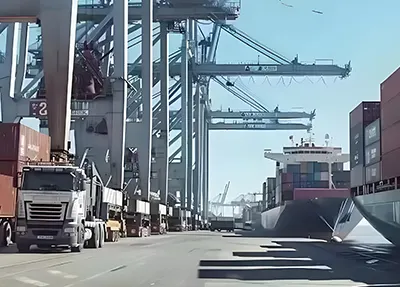
يتزايد تطبيق التقنيات الذكية في مجال المقطورات. وتقوم الشركات الرائدة بتعزيز استراتيجية «القيادة المزدوجة» التي تجمع بين الكهربة والذكاء، مستفيدةً من شبكات المركبات المدعومة بالذكاء الاصطناعي لتسهيل تتبع البصمة الكربونية والجدولة الذكية، مما يعزز كفاءة النقل. في البيئات المغلقة، حققت الجرارات ذاتية القيادة المقترنة بالمقطورات شبه المقطورة تشغيلًا روتينيًّا، حيث تجاوز معدل انتشار شاحنات الحاويات ذاتية القيادة 30% في بعض الموانئ. وفي مجال لوجستيات الخطوط الرئيسية، دخلت مجموعات الشاحنات الثقيلة ذاتية القيادة من المستوى L4 والمقطورات مرحلة التشغيل ضمن أسطول مختلط؛ ويمكن لنموذج «سائق واحد، عدة مركبات بدون سائق» أن يقلل تكاليف العمالة بنسبة 30%، وهو يتجه بثبات نحو التشغيل العادي. بالإضافة إلى ذلك، تستمر تقنيات تخفيف الوزن للمقطورات في التحسن؛ حيث تقلل النماذج المصنوعة من الفولاذ عالي القوة من وزن المركبة مع الحفاظ على قدرتها على تحمل الحمولة، مما يؤدي إلى تحسين الاقتصاد في استهلاك الوقود وكفاءة النقل.